






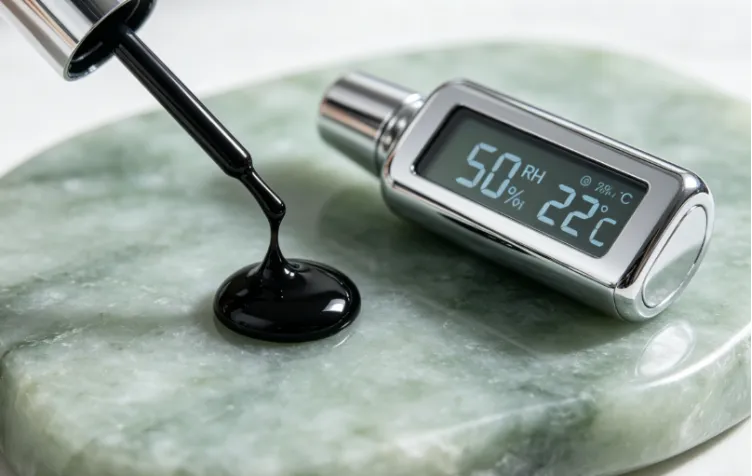
If you keep running into lash retention humidity issues in summer or rainy months, you are not alone. A lot of artists first blame technique, prep, or aftercare. But does humidity affect lash retention? Yes, very directly. In simple terms, how humidity affects lash extensions comes down to cure speed. When the room gets too damp, adhesive can react too fast and create a weak, brittle bond.
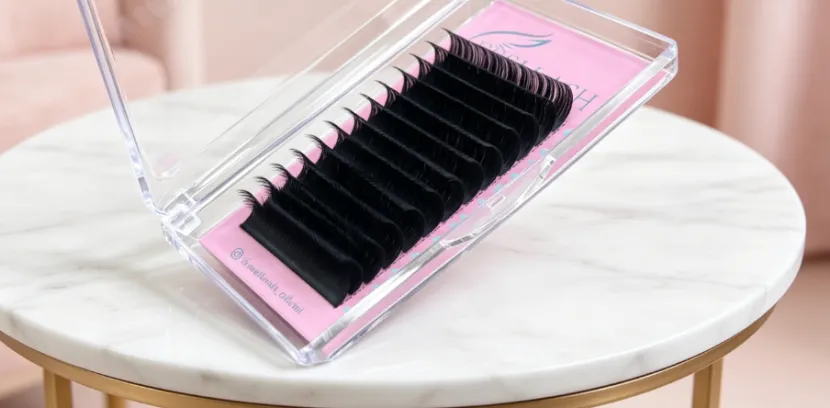
There is also a product side to this. ESSI LASH presents itself as a high-end manufacturer working with more than 1,500 lash businesses worldwide, while also offering lashes, accessories, and private label packaging from one source. Its 0.03 cashmere silk tray is built for mega volume and standard volume, supports the shimmy method and pinchers, and is described as extremely soft, dark matte, vegan, and able to hold curl for over one year. That mix matters when the weather is sticky and your timing gets tight. A soft tray with stable curl gives you one less thing to fight.
Why Does Lash Retention Fail in Humid Weather?
Most retention complaints in wet weather come from chemistry, not drama. You can prep well, isolate well, and still watch a set drop early if the room shifts. That is why humidity and lash glue deserve more attention in volume work, especially when appointments run long.
The Adhesive Cures Too Fast
The basic lash glue humidity problem is moisture. Lash adhesive is mainly cyanoacrylate, and it uses moisture in the air to start curing. In high humidity, that reaction speeds up too much. The outside of the bond can harden before the inner structure is stable, which creates a brittle surface bond that snaps off early. That is the heart of many high humidity lash retention cases.
Temperature Makes It Worse
Heat makes the whole thing less forgiving. The reference guide says high temperature combined with high humidity can lead to near instant curing, sometimes leaving only 1 to 2 seconds for a proper wrap. That is why artists ask why does lash glue dry too fast in humid weather. It is not just the glue. It is the room.
What Is the Best Humidity for Lash Extensions?
Once retention starts slipping, most people search best humidity for lash extensions and hope for one magic number. Real life is messier than that, but there is still a usable target. Keeping the room close to a stable middle zone makes the bond far more predictable.
The Target Range for Better Bonding
If you are asking what humidity is best for lash extensions, a practical lash adhesive humidity range is 45% to 60% RH, paired with about 20°C to 24°C. In that zone, adhesive tends to cure at a more controlled pace. You get time to place, wrap, and move on without the bond going chalky or gummy.
Signs Your Room Is Off
Common lash extension humidity problems are pretty easy to spot once you know them. In high humidity, the glue drop can change color or texture within 5 minutes, and extensions may pop off without the natural lash attached. In low humidity, bonds can stay tacky, lashes may tilt, and the whole set starts to feel strangely slow. None of that is fun, honestly.
How to Fix Lash Retention in Humid Weather?
If you are searching how to fix lash retention in humid weather, the good news is that the fix is usually practical. You do not always need a whole new system. Small changes in room control, glue handling, and timing can steady retention fast.
Check the Air Where the Glue Sits
The first step in how to control lash room humidity is checking the air near the adhesive pallet, not across the room. A hygrometer placed beside the glue gives a much more useful reading of lash room humidity than one sitting near the door or window. If the room is too damp, a dehumidifier can help bring it back into range. That is the most direct fix for humidity for eyelash extensions when the weather turns heavy.
Refresh the Glue Drop Faster
One very real reason humid weather lash extensions go wrong is old adhesive on the pallet. When temperature is high, the guide recommends changing the glue drop more often, for example every 15 minutes instead of 25. That one habit can make a bigger difference than people expect.
Make Small Seasonal Adjustments
If you want how to improve lash retention in summer, think seasonally. In wet months, a slightly slower adhesive can help reduce flash curing. In dry months, adding moisture back into the room can help weak bonds cure better. You are not changing your whole style. You are just matching the room.
Why Do Lash Fiber Quality and Curl Retention Still Matter?
Humidity is the main problem here, but materials still matter. When the room is tricky, stable lashes make your work feel less chaotic. That part often gets skipped in retention talk.
Stable Trays Make Wet Days Easier
ESSI LASH lists its 0.03 cashmere silk lashes as extremely soft, dark matte, suitable for mega volume and standard volume, and able to keep curl as original for over one year. That does not replace climate control, but it helps keep fan texture and styling more consistent when you are already making fast adjustments with adhesive.
FAQ
Q1: Does humidity affect lash retention?
A: Yes. High humidity can make adhesive cure too fast and create a brittle bond, while low humidity can make the bond cure too slowly and stay weak.
Q2: What humidity is best for lash extensions?
A: A common target is 45% to 60% RH with a room temperature around 20°C to 24°C.
Q3: Why does lash glue dry too fast in humid weather?
A: Because moisture speeds up cyanoacrylate curing. Too much moisture can cause flash curing before the bond fully settles.
Q4: How to fix lash retention in humid weather?
A: Check humidity near the glue pallet, use a dehumidifier when needed, refresh the glue drop more often, and adjust adhesive speed by season.
Q5: Why do lash extensions fall off in humid weather?
A: One common reason is brittle bond failure. In high humidity, the extension can pop off without the natural lash attached.

 English
  Spanish