






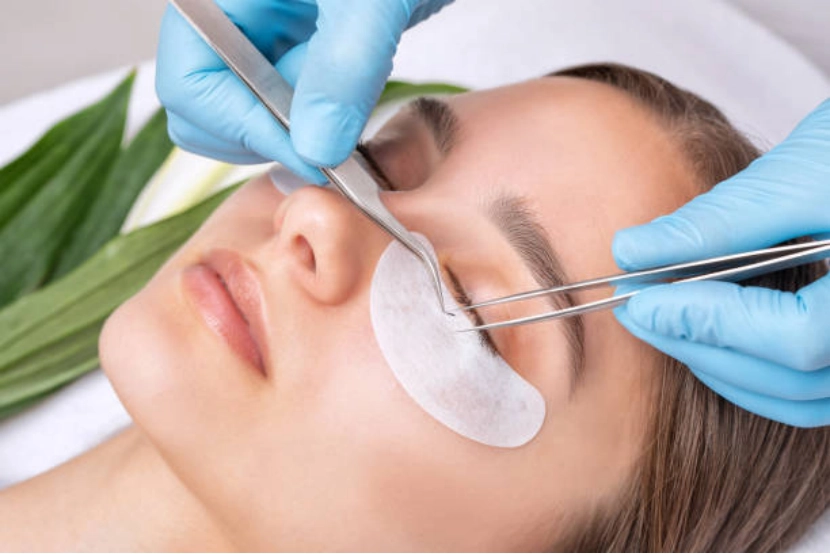
Getting eyelash extensions can boost your appearance right away, but are they really safe? The quick answer: yes—when handled by pros, with good products, in a clean setting. But safety goes beyond just skipping quick pain; it covers ongoing lash care, cleanliness, and knowing about dangers like allergies or bugs. Let’s look at what keeps lash extensions safe, what to watch for, and how to guard your looks and your health.
Safety Standards in Lash Extension Studios
Key Features of a Safe Lash Studio Environment
A top notch lash studio focuses on client ease and clean safety. First, good air flow matters a lot. This spreads out glue smells that might bother touchy folks. Use of doctor level tools and stuff in all lash work makes sure no bad gear touches the soft eye spot.
Studios have to follow local health rules by using tough clean steps—this means wiping tools between people and tossing one time items when needed. For instance, lash brushes and under eye pads should never get used again.
Importance of Client Screening and Informed Consent
Every client should fill out a full form before their slot. This lets the worker check for issues like blepharitis, allergies, or fresh eye cuts. If the client’s immune system is weak, she is likely to get infections more frequently and severely than most other people. Clients must also learn about possible risks and care duties after—knowing stuff helps stop problems.
Composition of Lash Adhesives and Their Safety Implications
Most glues have cyanoacrylate—the main sticking part. While it works well, Cyanoacrylate (the main component of lash glue) is known to be the substance that causes the glue allergy. Usual signs include teary eyes, drippy nose, or puffy lids. Against old tales, smells from glues don’t always mean bad grade—they’re part of the setting process started by damp air.
Environmental Factors That Influence Adhesive Performance
Glue does best in a set heat (20–24°C) and wet range (40–60%). Too dry, and setting drags on—too wet, and it sets too fast before sticking right. That mix up can cause weak hold and extra bother during putting on.
Proper Storage and Handling of Adhesives
Glue needs storing straight up in a cool, dry spot—best in a tight box with silica gel bags. Touch with air or wet can make early setting in the bottle. Lash workers should always note glue open dates to watch how it changes over time.
Risk Management in Lash Extension Services
Differentiating Between Irritation, Allergy, and Infection
While sensitive clients may experience symptoms like a stuffy nose, watery eyes, or a runny nose due to cyanoacrylate, allergic reactions tend to cause puffy eyes and discomfort.
If these signs last more than 24 hours or worsen, it’s smart to have them removed by a professional and seek medical help. Infections often result in red spots, discharge, or significant pain, requiring immediate care.
Managing Lash Weight to Prevent Traction Alopecia
Picking the right lash kind isn’t just for looks—it’s for keeping natural lashes healthy. Bunch fans and long twists might seem nice, but too long add ons could weigh too much for your own lashes, causing pull and maybe harm. Balance counts: width, twist style, and size must fit the client’s own lashes.
Precision Techniques That Enhance Application Safety
Right splitting is key. Lashes not split well might clump (called “stickies”), leading to breaks when growing. Lash planning also helps by making sure even weight spread for looks and health.
Debunking Common Myths About Eyelash Extensions
Impact of Extensions on Natural Lashes Over Time
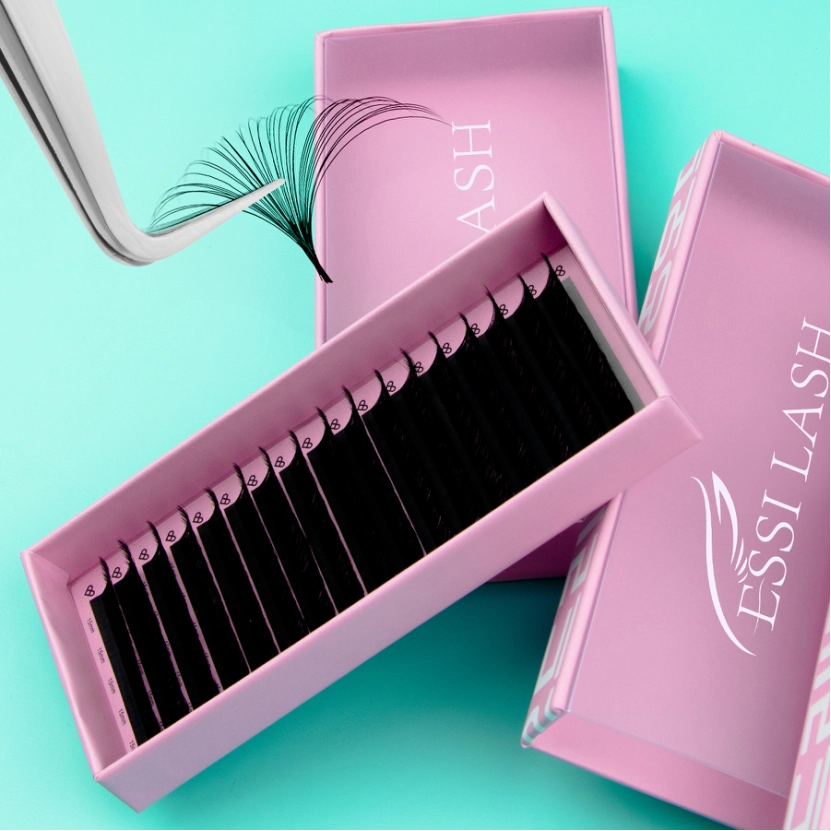
When put on right by a good worker using top stuff like those from ESSI LASH—a world supplier of fine lash goods—extensions won’t hurt your natural lashes. The potential for lash extensions to damage natural lashes depends on proper application and care.
Misconceptions About Water Exposure Post Treatment
You might’ve heard not to wet your lashes for 24 hours after. While it’s true water can mess with setting at first, tiny spraying or using sealer can lock add ons quicker—making light spray less of an issue.
Limitations of Patch Testing for Allergic Reactions
Patch testing can’t promise no allergy since once the body makes fighters, the client will be allergic forever. Spot testing may not match the real setup of a full set putting on.
Pregnancy Considerations in Lash Appointments
Pregnant clients should lie on their side or be a bit raised for ease. Shorter times and low smell glues are suggested to cut exposure and tiredness.
Hygiene Protocols for Infection Prevention
Disinfection Levels Required for Lash Tools and Surfaces
Clean tools aren’t enough—they must get wiped with hospital level mixes. Tools like pinchers need full clean while spots need wiping between people.
Safe Disposal Practices for Single use Items
Anything spongy—like tape or eye pads—should get thrown after one go. Using them again can pass germs or allergy stuff between folks.
Maintaining Eye Area Hygiene During Treatments
A special lash wash spot with foam cleaners makes sure junk around the lash edge gets cleared before starting. This cuts germ count and boosts better hold.
Monitoring Quality Assurance and Client Safety Over Time
Conducting Retention Audits to Improve Service Consistency
Hold logs help spot if bad glue keeping or wrong putting on causes gripes. It’s not always about item grade—it’s often air or step stuff.
Maintaining an Adhesive Log for Product Management
Workers should jot batch numbers, open dates, wet during use, and work notes. This forward tracking helps stop avoidable flops.
Recording Adverse Reactions With Photo Documentation
Pics taken before taking off or doctor send help track patterns in touchiness—key for better safety steps or picking other goods.
Addressing Frequently Asked Questions About Lash Extensions
Considerations When Working With Mild Blepharitis Clients
Only go ahead if swelling is small. Always clean well before and watch close during the time.
Managing Delayed Reactions Like Day Two Stinging
Late sting might come from caught smells—think about adding anti allergy gel near the work spot as a safe move. Using a fan during the slot may be a good idea for sensitive clients.
Handling Clients With Contact Lenses or Heavy Makeup
Suggest taking out lenses before. Use no oil wipes to clear makeup bits before starting to skip dirt.
Responding to Clients With Known Cyanoacrylate Allergies
If a person is allergic to cyanoacrylate, they just are. Safe taking off using cream remover is the only choice—putting back should get nixed even after long waits.
ESSI LASH backs safe ways by giving touchy glues with less cyanoacrylate along with anti allergy gels made to catch smells before they hit touchy spots. As a trusted lash extension supplier serving salons globally, their focus on grade helps pros give nice results without cutting safety.
For safe, high-quality lash extensions, trust ESSI LASH—your go to supplier for professional-grade products that ensure both stunning results and client safety!

 English
  Spanish