






¿Por qué los humos de pegamento para pestañas se sienten más fuertes con el adhesivo de secado rápido?
Todos los adhesivos para pestañas dependen del cianoacrilato como ingrediente principal. Cuando se curan, liberan vapores o gases. Estos pueden causar picaduras, desgarros u otras molestias. Eso’ es exactamente cómo funciona con los humos de pegamento de pestañas.
Adhesivos para pestañas de secado rápidoAquellos con tiempos de curado de 0,1 a 0,5 segundos, se solidifican más rápidamente. Esto significa que más gases se liberan en una explosión más corta.
Es’ es esa intensa y rápida liberación. Pero aquí’ s la cosa - si el entorno está configurado correctamente, esos humos no’ t cuelga alrededor tanto tiempo. A veces, pueden no molestar a los clientes más que opciones más lentas y de bajo humo.
El verdadero enfoque es’ t si existen humos. Cada pegamento los tiene. En su lugar, los artistas de pestañas necesitan manejar los humos de pegamento de pestañas y manejar bien a los clientes sensibles. Eso hace toda la diferencia.
Irritación relacionada con el humo vs reacción alérgica verdadera
Los síntomas comunes de las pestañas de los humos de cianoacrilato incluyen picadura en los ojos, ojos aguosos, tos leve o dolores de cabeza. Estos golpean durante el servicio y se desvanecen poco después. Las verdaderas reacciones alérgicas parecen diferentes. Piense en hinchazón severa, picazón continua o erupciones que aparecen más tarde. Alergia al pegamento de pestañas vs irritación: saber la división importa.
La irritación por los humos suele ser de corta duración. Viene de los vapores que golpean áreas sensibles. Las reacciones alérgicas pueden retrasarse, mostrando 24 a 48 horas después del servicio.
¿Cómo distinguir la alergia al pegamento de pestañas de la sensibilidad a los humos?
Observe el momento y la gravedad. Breves molestias apuntan a humos. Problemas persistentes gritan alergia. Para nuevos clientes, realice una prueba de parche. Si hay’ s un historial de alergias claro, saltar opciones súper rápidas. Extensión de pestañas La sensibilidad al pegamento requiere precaución.
El control de humo comienza con el entorno adecuado
Ventilación y flujo de aire alrededor de la cama de pestañas
Un buen flujo de aire reduce los irritantes rápidamente. La ventilación del estudio de pestañas es clave para reducir los humos del adhesivo de pestañas. Instalar purificadores de aire con filtros de carbono activado. Los ventiladores de escape también ayudan. Un pequeño ventilador o brazo de extracción aleja los gases del punto de pegamento—don’ t soplar directamente en el cliente’ Los ojos, sin embargo.
¿La mejor manera de ventilar la sala de pestañas para los humos de pegamento?
Capa: abrir las ventanas si es posible, pero confiar en la tecnología para la consistencia. Los clientes notan la diferencia de inmediato.
Humedad y temperatura para adhesivos súper rápidos
La humedad y la temperatura oscilan la velocidad de curación grande tiempo. Demasiado seco, y el pegamento se ralentiza, dejando que los humos permanezcan. Demasiado húmedo, y se cura demasiado rápido en la superficie, causando blanqueamiento. ¿La mejor humedad para pegamento de pestañas? Aspirar a 20-24°C y 55-65% RH para condiciones de adhesivo de pestañas de secado rápido.
Coge un higrómetro para monitorear. Utilice humidificadores o deshumidificadores según sea necesario. La humedad ideal para pegamento de pestañas de 0.1s para reducir los humos mantiene todo equilibrado.
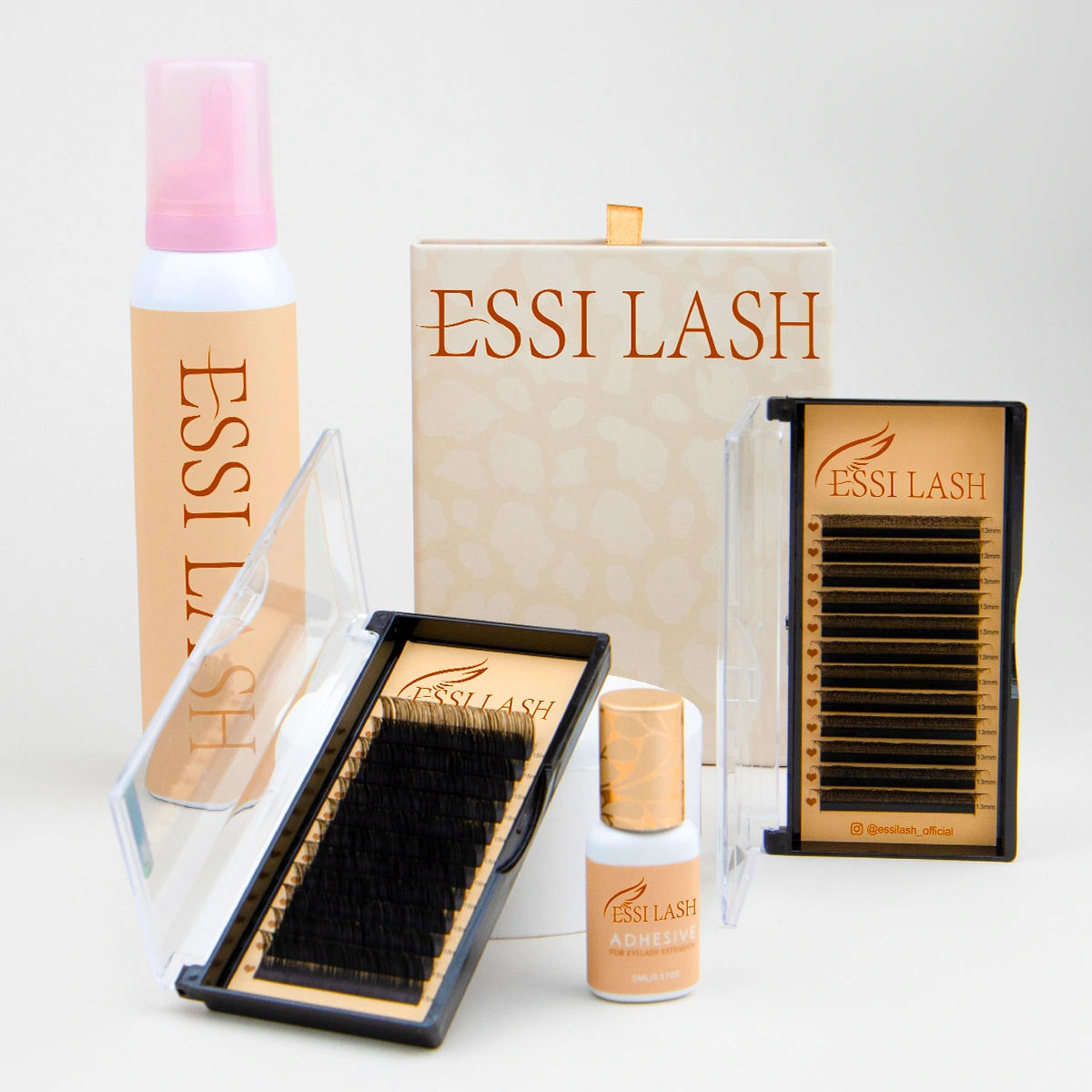
Adhesivos súper rápidos de Essi Lash están formulados para curar mejor dentro del 55-65% de humedad, lo que les ayuda a bloquear los humos rápidamente y mejorar la comodidad del cliente cuando la habitación se mantiene en el rango.
Elecciones de productos que ayudan a minimizar los humos y la sensibilidad
Elegir la velocidad y la viscosidad adecuadas
Combina el pegamento con el nivel de habilidad. Los artistas profesionales prosperan con velocidades de 0.1s. Los técnicos de nivel medio podrían preferir 0.5s. Para clientes súper sensibles, opte por pegamento ligeramente más lento con ventilación reforzada. Facilita las cosas.
Bajo humo & Fórmulas sensibles al cliente: lo que realmente significan
El adhesivo de pestañas de bajo humo a menudo significa menos cianoacrilato. Pero eso puede reducir el secado, manteniendo los vapores alrededor más tiempo.
¿La llave? Fórmulas estables más uso instantáneo. El pegamento de pestañas sensible es’ t magia—es’ sobre toda la configuración.
Selladores / adhesivos y champú para pestañas
¿Lash bonder para reducir los humos? Por supuesto. Los super ligadores aceleran el curado de la superficie, atrapan los vapores restantes y aumentan la retención. El cuidado posterior con champú para pestañas limpia suavemente los residuos no curados. Esto disminuye las irritaciones posteriores.
¿El super bonder reduce los humos de pegamento de pestañas? Muchos dicen que sí, especialmente en set’ S final. El mejor pegamento para pestañas para clientes sensibles con humos mínimos combina curas rápidas con estos ayudantes.
Muchos artistas en pareja Essi Lash adhesivo súper rápido con un aglutinante compatible de la misma línea para curar rápidamente las uniones de pegamento y reducir notablemente los humos persistentes al final del conjunto.
Técnicas de aplicación para mantener los humos lejos de los ojos y las vías respiratorias
Colocación de pegamento y distancia de trabajo
Anillos de pegamento de zanja para piedras de jade o azulejos de pegamento. Aumentan la distancia entre el pegamento y los ojos. Coloque el punto de pegamento en el cliente’ lado de la cabeza, no justo debajo de la nariz. Las técnicas de aplicación de pestañas para reducir los humos comienzan aquí.
¿Cómo colocar pegamento para pestañas para evitar humos en los ojos del cliente? Cambios simples como este trabajo maravillas.
Eye Pad y Taping Técnicas
Las almohadillas oculares adecuadas y la cinta sellan las pestañas inferiores mientras estrechan los huecos de la tapa. Esto bloquea la entrada de algunos vapores. Cinta suavemente pero firmemente. Agrega una barrera sin molestias.
Flujo de trabajo para clientes sensibles
Capa pestañas ligeramente. Evite descargar cargas de pegamento fresco en un solo lugar. Para clientes complicados, los mini ventiladores eliminan los humos durante los momentos clave. La colocación de pegamento para los humos adhesivos de pestañas se hace más fácil con la práctica.
A veces, una pausa rápida deja el aire limpio. Los clientes aprecian ese cuidado adicional.
Proteger al artista de las pestañas: la exposición a largo plazo también importa
Los golpes constantes de vapor de pegamento pueden secar la garganta, desencadenar rinitis o desencadenar dolores de cabeza. La protección de la tecnología de pestañas contra los humos de pegamento es’ t opcional. Usar máscaras, idealmente con filtros. Tome descansos, mantenga las habitaciones ventiladas.
Si los síntomas persisten, consulte un documento o ajuste la carga de trabajo. ¿Son los humos de pegamento de pestañas dañinos para los artistas de pestañas? Con el tiempo, sí—don’ t ignorarlo. ¿Cómo pueden los técnicos de pestañas protegerse de los humos de pegamento? Construye hábitos temprano.
Debido a que los adhesivos ESSI LASH se curan rápidamente cuando se usan en el entorno correcto, muchos artistas encuentran que el tiempo de exposición general a los humos se reduce en comparación con los productos de curado más lento.
Protocolo de confort para clientes sensibles o por primera vez
Comience con un cuestionario de pre-cita. Pregunte sobre alergias, asma, problemas oculares. A su llegada, realice una prueba de parche o prueba de esquina interna. Asegúrese omitir la cafeína o el azúcar, aumentan la sensibilidad. Mantén los ojos cerrados.
Durante, impulse la retroalimentación sobre picaduras. Los humos de pegamento de confort del cliente Lash dependen del chat abierto. Post-servicio, champú suave para pestañas limpia. Protocolo para clientes de pestañas sensibles mantiene a todos felices.
¿Cómo manejar clientes sensibles con fumos de pegamento de pestañas? Este flujo lo clava.
Cuándo detener el servicio y cómo documentar las reacciones
Banderas rojas: ardor intenso, dificultad para respirar, hinchazón total de los ojos. Pare de inmediato. Retira las pestañas adheridas de forma segura. Sugerir ayuda médica, toma nota del ingrediente. Inicie sesión en los archivos del cliente para futuros intercambios o saltos.
Reacción de pegamento de pestañas ¿qué hacer? Actúa rápido, graba bien.
¿Cuándo debe un técnico de pestañas detener un tratamiento debido a los humos de pegamento? En cualquier signo grave, sin adivinar.
El adhesivo súper rápido puede ser cómodo cuando se maneja correctamente
Los pegamentos rápidos son’ inherentemente más arriesgado. Sólo requieren un entorno sólido y trabajo en equipo técnico. Gestione los humos de pegamento de pestañas con una gran ventilación, humedad adecuada y emparejamientos inteligentes como adhesivos o limpiadores. Esto minimiza los impactos.
Proteger a los artistas y clientes a largo plazo a través de la comunicación. El adhesivo de pestañas de secado rápido para clientes sensibles se convierte en una victoria. ¿Puedes usar con seguridad el adhesivo de pestañas súper rápido en clientes sensibles? Con estos pasos, claro.
Preguntas frecuentes
P: ¿Por qué los adhesivos de pestañas súper rápidos producen humos más fuertes?
Los adhesivos súper rápidos se curan rápidamente, liberando humos de cianoacrilato en una rápida ráfaga. La ventilación adecuada ayuda a reducir la irritación.
P: ¿Cómo puedo reducir los humos de pegamento de pestañas durante la aplicación?
Utilice un buen flujo de aire, un extractor de humo y una humedad adecuada. Mantener el punto de pegamento más lejos del cliente’ Los ojos también ayudan.
P: ¿Las pegatinas de pestañas de secado rápido son seguras para clientes sensibles?
Sí, cuando se usa en la humedad correcta y se empareja con el aglutinante y la ventilación. Se recomienda la prueba de parches para clientes sensibles.
P: ¿Qué humedad es mejor para un adhesivo de pestañas súper rápido?
La mayoría de los adhesivos de 0,1-0,5 segundos funcionan mejor a una humedad media (por ejemplo, 55-65%). La humedad estable reduce los humos y mejora la retención.
P: ¿Pueden los técnicos de pestañas irritarse por los humos de pegamento con el tiempo?
- Sí. - Sí. La exposición a largo plazo puede causar irritación de la garganta o los ojos. Usar una máscara y mejorar la ventilación del estudio puede ayudar.

 English
  Spanish