





Antes de hablar sobre cuánto tiempo tardan los adhesivos en secarse o métodos para pestañas de volumen, hay’ es un factor oculto que afecta extensión de pestañas sostener: el microbioma del párpado.
Este grupo de pequeños organismos puede actuar como un artista de pestañas’ amigo útil o su principal problema. Un microbioma equilibrado ayuda a mantener las pestañas naturales fuertes. También hace que los adhesivos funcionen mejor. Si lo tiras, incluso las pestañas superiores y el pegamento ganaron’ t último.
El microbioma del párpado y su papel en la retención de las pestañas
Equilibrio microbiano en la línea de pestañas
La piel cerca de nuestros ojos alberga muchos tipos de bacterias que ayudan con el trabajo inmunológico y detienen las infecciones. En la línea de pestañas, esta configuración es bastante sensible. Cuando’ En buenas condiciones, esos microbios protegen los folículos. Reducen la hinchazón y se aseguran de que las pestañas naturales se mantengan lo suficientemente resistentes para las extensiones.
Pero cuando ese equilibrio se altera, debido a factores externos o lo que los clientes hacen diariamente, puede causar demasiado aceite o sequedad. Ambos problemas problemas pestañas adhesivos. Estos pegamentos necesitan una superficie limpia y ligeramente húmeda para adherirse bien.
Cómo un microbioma desequilibrado afecta la unión adhesiva
Si algunos tipos de bacterias crecen demasiado, liberan cosas que descomponen los adhesivos a base de cianoacrilato. Las capas pegajosas de bacterias, llamadas biopelículas, pueden acumularse en la base de las pestañas. Esto impide que el pegamento se ajuste correctamente. Peor aún, la hinchazón continua debilita las raíces del cabello y acelera la pérdida natural de pestañas. Por lo tanto, la retención sufre sin importar sus habilidades.
La química adhesiva se encuentra con la realidad biológica
Condiciones ambientales que alteran el rendimiento del adhesivo
Los adhesivos de pestañas reaccionan con su entorno. Un cambio en el pH en el párpado, a menudo debido a cambios en el microbioma, puede alterar cómo se endurece el pegamento. Como resultado, los bonos se vuelven débiles y pueden durar solo un par de días.
La humedad también cuenta. Las bacterias pueden hacer humedad adicional justo en la línea de pestañas. Eso podría hacer que el pegamento se endurezca demasiado rápidamente, conocido como polimerización por choque. Esto conduce a vínculos frágiles. Y no’ t pasar por alto los aceites corporales: si los problemas microbianos aumentan la producción de aceite, una fina capa de aceite en las pestañas bloquea que los adhesivos se mantengan firmes.
La interacción entre los adhesivos para pestañas y la flora de la piel
No todo pegamento maneja las bacterias de la misma manera. Algunos tipos se ocupan mejor de pequeños trastornos. ESSI LASH pegamento de extensión de pestañas Utiliza materiales finos. Es’ se comprueba médicamente para una baja irritación en el cuerpo y se puede usar con seguridad. Recoger pegamento con maquillaje constante da resultados más estables, principalmente en lugares cotidianos donde ninguna línea de pestañas permanece impecable.
Los hábitos del cliente que alteran el equilibrio microbiano
Rutinas diarias que comprometen el ecosistema del párpado
Los clientes suelen dañar su propia retención sin saberlo, a través de hábitos básicos:
-
El uso excesivo de limpiadores fuertes elimina las buenas bacterias.
-
Dormir con maquillaje cambia el pH de la piel y aumenta los microbios malos.
-
Tocar los ojos trae mucha bacteria externa.
Contar a los clientes acerca de estos causadores de problemas tranquilos realmente puede ayudar a sus pestañas a durar más tiempo.
Factores del estilo de vida que influyen en la retención a través de cambios en el microbioma
Lo que las personas comen y cuán estresadas están importa mucho. Los alimentos llenos de azúcar o basura pueden fomentar los microbios que causan hinchazón. Los cambios hormonales afectan el aceite de la piel, lo que cambia la configuración del microbio. ¿Y el cuidado posterior? Sólo acumula basura, una fiesta para las bacterias no deseadas.
Reconocer signos de alteración del microbioma en los clientes
Indicadores visuales en la línea de pestañas durante las citas
Como artista de pestañas, puede detectar las pistas antes de que los clientes se den cuenta:
-
Manchas rojas o piel seca pueden significar molestias por problemas microbianos.
-
La retención desigual de pestañas puede venir de la hinchazón en los folículos.
-
Un montón de gunk a lo largo de la línea de pestañas a menudo apunta a malos hábitos de limpieza.
Catching estas pistas temprano detiene problemas más grandes más tarde.
Estrategias de comunicación para los artistas de pestañas que abordan las preocupaciones de higiene
Manejar estas conversaciones con cuidado:
-
Elija palabras neutrales como “Mejoremos su cuidado posterior” en lugar de “No está limpiando lo suficiente”.
-
Sugerir productos suaves que ganaron’ t molesta el microbioma.
-
Presente consejos como parte de su plan experto, no un juicio sobre ellos.
Apoyar a los clientes en la restauración de la armonía microbiana
Recomendaciones de productos que respetan la flora natural
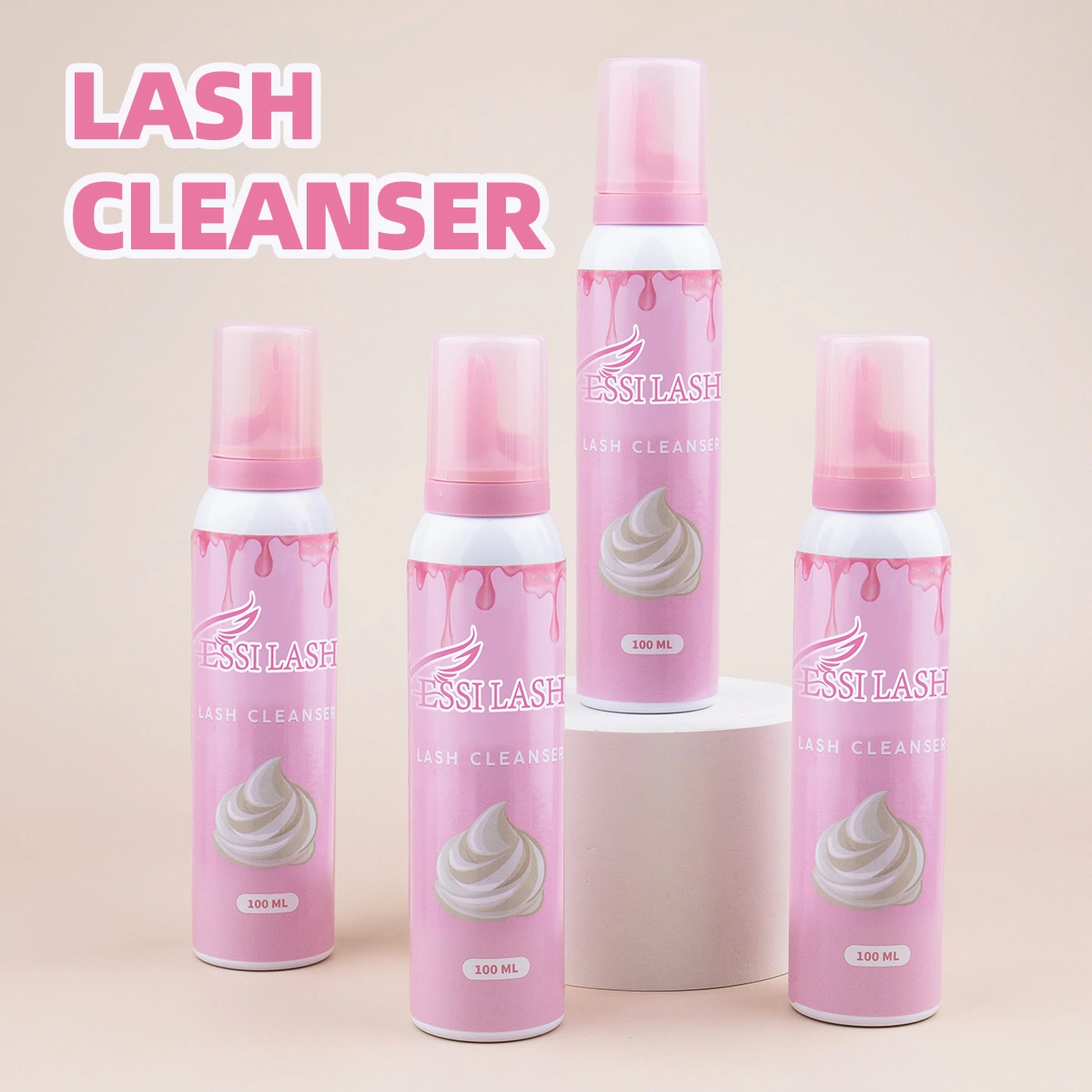
Guía a los clientes a los artículos que limpian sin dañar su piel’ pequeños ayudantes. Essi Lash proporciona limpiadores suaves y amigables para uso alrededor de las extensiones todos los días. Evite el alcohol o las cosas demasiado ácidas, que pueden debilitar el escudo de la piel.
Educar a los clientes sobre el mantenimiento a largo plazo de la salud de los párpados
Limpiar la línea de pestañas debe ser un hábito diario, como cepillarse los dientes. Los empujones suaves sobre el cuidado adecuado pueden ir en notas de seguimiento con las herramientas Essi Lash. Ayuda a los clientes a ver que una buena limpieza es’ t solo para los looks—it’ s clave para mantener las pestañas en su lugar.
Técnicas profesionales que mejoran los resultados de retención
Prácticas de aplicación que minimizan la perturbación microbiana
Demasiada manipulación o preparación puede molestar la piel y alterar su equilibrio. Utiliza métodos exactos en su lugar. Sea ligero con cebadores; Aplicarlos solo si es necesario.
Protocolos de higiene de estudio que apoyan tapas saludables
Su espacio de trabajo también cuenta. Limpia las herramientas después de cada cliente, evite la propagación de gérmenes y mantenga el área alejada del polvo que podría irritar los ojos.
Misconceptiones comunes sobre la retención y su aclaración
Mitos que rodean la culpa del producto vs. factores biológicos
Mucha gente piensa que la mala retención significa productos malos, pero eso’ No siempre es el caso. Incluso pegamentos y pestañas de gama alta fallan si se ponen en pestañas naturales débiles o manchas sucias.
Creencia
-
El pegamento no es lo suficientemente fuerte
-
Las pestañas no eran buenas
Realidad
-
La degradación del adhesivo puede ser causada por enzimas de microbios sobrecrecidos
-
Los efectos naturales de la salud de las pestañas prolongan la longevidad más que el diseño del ventilador
Clarificar el papel de la técnica frente a la biología del cliente
Un ventilador limpio colocado con separación perfecta ganó’ t pegarse si la pestaña natural es frágil o hinchada. Compartir conocimientos sobre clientes’ El trabajo corporal construye fe y pone esperanzas justas.
Por qué la ciencia es fundamental para los resultados consistentes de la extensión de pestañas
El valor de integrar la biología en los servicios de belleza
Saber cómo los gérmenes de la piel se mezclan con pegamento permite a los artistas de pestañas ajustar mejor los servicios, desde la instalación hasta la recogida de artículos. Es’ s no solo trabajo creativo—it’ S basado en hechos.
Construir la confianza del cliente a través de prácticas basadas en la evidencia
Cuando los consejos vienen de la ciencia real, no solo adivinaciones, los clientes prestan atención. Dar opciones de productos e ideas de cuidado vinculadas al conocimiento verdadero lo eleva de un ayudante básico a un profesional.
Preguntas frecuentes
Q1: ¿Cuál es la mejor manera de limpiar mis pestañas sin dañar mi microbioma?
Use un limpiador espumante suave especialmente diseñado para extensiones de pestañas, nunca productos a base de alcohol.
P2: ¿Puede la mala dieta realmente afectar mi retención de pestañas?
Sí, las dietas altas en azúcar pueden promover microbios inflamatorios que debilitan los folículos con el tiempo.
Q3: ¿Con qué frecuencia deben los clientes limpiar su línea de pestañas?
Idealmente una vez al día, especialmente por la noche, utilizando limpiadores amigables con el microbioma.
Q4: ¿El imprimante es malo para la piel alrededor de mis ojos?
No inherentemente, pero el uso excesivo puede secar la piel sensible y interrumpir el equilibrio microbiano.
P5: ¿Todos los adhesivos reaccionan mal a las enzimas microbianas?
Algunos son más resistentes que otros, busque aquellos probados en condiciones biológicas variadas como las de ESSI LASH.

 English
  Spanish