






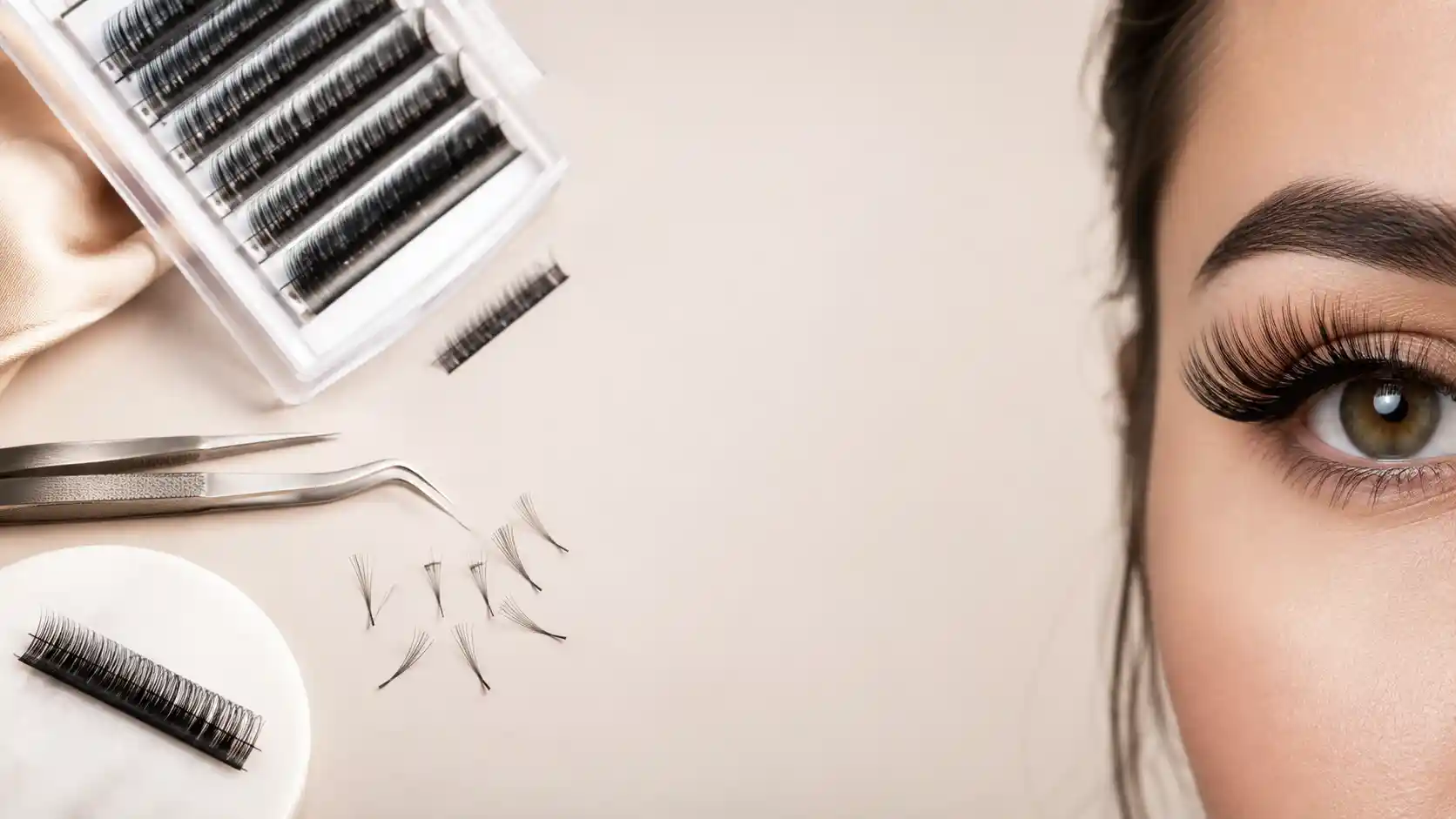
Una guía práctica sobre el pegamento para extensiones de pestañas, su aplicación y la exposición ocular.
Preparado para lectores de habla inglesa de todo el mundo; Marca: ESSI LASH
El pegamento para extensiones de pestañas se puede usar con los ojos cerrados si un profesional capacitado lo aplica en el punto de fijación correcto y controla las condiciones ambientales. La fórmula, los vapores, la velocidad de secado, el almacenamiento y la forma de retirarlo son factores importantes.
¿Es seguro para los ojos el pegamento para extensiones de pestañas?
La seguridad comienza con una exposición controlada. Durante un servicio profesional, los ojos permanecen cerrados mientras una pequeña cantidad de adhesivo une la extensión a la pestaña natural. El pegamento se mantiene alejado de la superficie del ojo y la piel del párpado. Las fórmulas a base de cianoacrilato pueden liberar vapores durante el secado, y el contacto directo puede causar irritación intensa.
¿Por qué el pegamento para extensiones profesionales es diferente del pegamento para pestañas postizas?
El pegamento para pestañas postizas está diseñado para usarse como banda temporal y retirarse después del maquillaje. El adhesivo para extensiones une las fibras individuales durante varias semanas. Se seca más rápido y requiere un control preciso de la aplicación, la humedad ambiental y la cantidad. Este producto, diseñado para profesionales de las pestañas, forma parte de su rutina de servicio.
Lo que las afirmaciones de “sensible” y “baja emisión de vapores” pueden revelarte
Estas palabras describen el posicionamiento del producto. Utilice la lista de ingredientes, las instrucciones y el estándar de aplicación como base para la decisión. Busque el usuario previsto, el tiempo de fraguado, el rango de temperatura, el rango de humedad, las recomendaciones de almacenamiento y las instrucciones de remoción. Pregunte qué fórmula se ajusta mejor a la habitación y a la velocidad de servicio. Un adhesivo de secado lento permite más tiempo de colocación; un adhesivo de secado muy rápido requiere movimientos precisos.
¿Qué puede provocar irritación ocular al usar pegamento para pestañas?
La irritación puede deberse al contacto directo, a los vapores del proceso de curado, a que se abra un ojo durante el uso, al exceso de adhesivo, a una ventilación deficiente o a un producto caducado. Si presenta ardor, enrojecimiento, lagrimeo, picazón, hinchazón o dolor, preste atención médica.
Contacto directo, vapores y curado incompleto
El adhesivo debe aplicarse sobre la unión entre la extensión y la pestaña. Una gota en la superficie del ojo, el contacto del adhesivo húmedo con el párpado o la exposición repetida a vapores en un espacio reducido aumentan el riesgo. Mantenga los ojos cerrados e informe inmediatamente al técnico si siente ardor intenso, calor inusual o vapores fuertes.
Sensibilidad, alergias y problemas oculares preexistentes
Una reacción puede manifestarse como enrojecimiento, picazón, hinchazón, lagrimeo o molestias. Las posibles causas incluyen adhesivos, cinta adhesiva, parches oculares, limpiadores o una afección ocular preexistente. Comparta su historial de alergias y la irritación actual antes del servicio. Un técnico puede interrumpir la cita y recomendarle atención médica.
Producto antiguo y condiciones de habitación inadecuadas.
El tiempo de secado varía según la humedad y la temperatura. Un curado lento requiere que el adhesivo permanezca húmedo por más tiempo; una habitación más cálida y húmeda puede acelerar el curado. Mantenga la tapa cerrada, siga las instrucciones de almacenamiento y pregunte cuándo se debe reemplazar el adhesivo. El rango de temperatura ambiente le proporciona al técnico un rango de referencia. La seguridad médica también depende de la aplicación y de factores individuales.
¿Cómo elegir con más cuidado el pegamento para extensiones de pestañas?
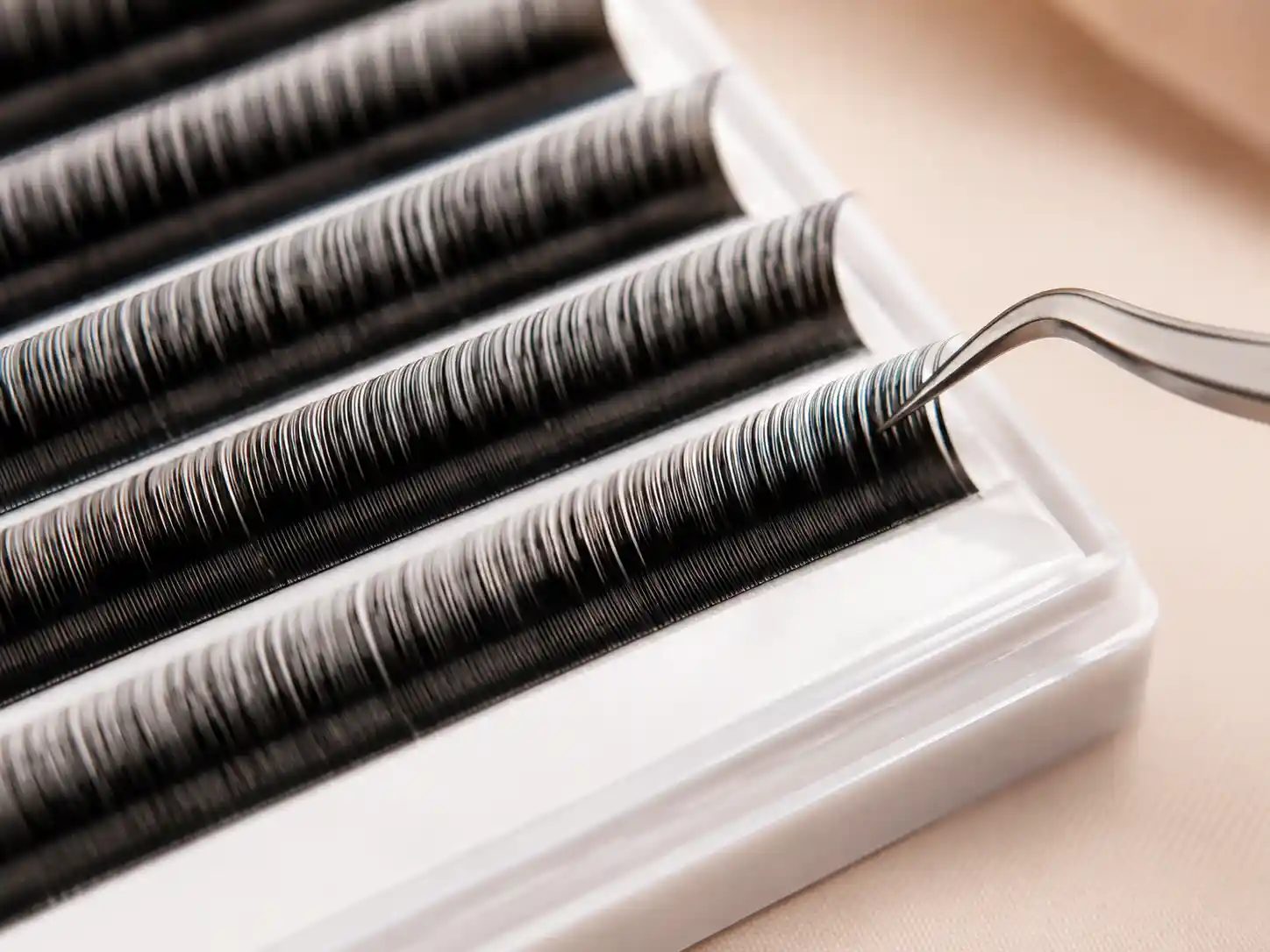
Antes de comprar un frasco o reservar un servicio, realiza cinco comprobaciones: categoría, ingredientes, tiempo de secado, condiciones de la sala y confección de las pestañas. Esta lista de verificación incluye información útil para cualquier reclamación.
Verificar ingredientes y usuario previsto
Lea la lista de ingredientes y las instrucciones de uso. El pegamento para extensiones profesionales, el pegamento para pestañas postizas temporales y las pestañas magnéticas sin pegamento requieren diferentes procedimientos. Pregunte si el producto está diseñado para profesionales de pestañas. Confirme la correcta remoción antes de la cita; una extracción incorrecta puede dañar las pestañas naturales y la zona de los ojos.
Adapta el tiempo de secado a tu habilidad y a la humedad.
Las páginas de productos de ESSI LASH demuestran por qué el tiempo de secado es un factor importante a tener en cuenta al comprar una vivienda:
|
Listado de productos |
hora de configuración indicada |
Condiciones de trabajo enumeradas |
|
Oro+ |
0,1 segundos |
73–83 °F; 48 %–70 % de humedad |
|
Plata+ |
1–2 segundos |
73–83 °F; 48 %–70 % de humedad |
|
pegamento transparente |
1–2 segundos |
73–83 °F; 48 %–70 % de humedad |
|
Pegamento suave |
2–3 segundos |
73–83 °F; 48 %–70 % de humedad |
En las páginas se detallan los ingredientes específicos del producto y los rangos de durabilidad. Considere estas cifras como una especificación inicial.
Considere el peso de las pestañas, la fibra y el estilo de fijación.
La base de conocimientos de belleza adjunta describe las pestañas con tallo de algodón como suaves, ligeras y fáciles de colocar alrededor del ojo. Los tallos transparentes de hilo de pescado son más firmes, brindan mayor soporte y se pueden reutilizar después de desmaquillarse. Las pestañas individuales y en grupo utilizan menos fibras, lo que las hace más ligeras, delgadas y transpirables para su aplicación en áreas pequeñas. Estos detalles influyen en la comodidad y la sensación; no convierten un adhesivo en un producto para el cuidado de los ojos.
Los tallos de algodón se describen como negros, de baja reflectividad y capaces de crear un efecto delineador. Los tallos transparentes pueden resultar discretos visualmente cuando se observa un pequeño espacio en la raíz de las pestañas. Ambos detalles le ayudarán a conversar con el técnico sobre el acabado y la comodidad antes de elegir el adhesivo.
La misma fuente describe las fibras de proteína de seda como ligeras, con forma y rizo definidos, y el PBT como una fibra resistente al calor y duradera, con un peinado estable. Las fibras sintéticas tienen un grosor y rizo uniformes, con una superficie más brillante. Elige la fibra y el peso que mejor se adapten a tu estilo y deja que el técnico ajuste el adhesivo y la colocación al conjunto.
También relaciona la forma de las pestañas con la forma de los ojos: los estilos de cola de pez pueden alargar los ojos redondos o de apariencia corta, mientras que los estilos en forma de A pueden añadir longitud hacia la comisura exterior de los ojos separados.
¿Qué debes hacer si te cae pegamento para pestañas en el ojo?
Trate la exposición ocular como un incidente que requiere calma. Evite frotar con fuerza, intentar abrir un párpado atascado o raspar una unión seca.
Enjuague y evite frotar con fuerza.
Si el líquido o los vapores entran en contacto con el ojo, enjuague con agua tibia limpia o solución salina estéril durante al menos 15 minutos, siguiendo las indicaciones del centro de toxicología o de urgencias local. Continúe enjuagando mientras busca ayuda. Puede aplicar una compresa tibia y húmeda sobre un párpado pegado; separarlo con fuerza puede rayar la córnea.
Cuándo contactar a un profesional médico
Busque atención médica inmediata si experimenta dolor persistente, cambios en la visión, hinchazón marcada, párpado pegado, sensibilidad intensa a la luz o síntomas que persisten después del enjuague. Guía del Centro de Toxicología de Missouri Explica los riesgos de exposición y los pasos de primeros auxilios. Traiga el empaque del producto o la lista de ingredientes para su identificación.
¿Por qué es importante el método de solicitud?
El método de aplicación controla la exposición al adhesivo y el tiempo de vaporización. Una buena preparación también facilita su posterior eliminación.
Mantenga los ojos cerrados durante la aplicación profesional.
Llegue con las pestañas limpias e informe a la técnica sobre alergias, procedimientos oculares recientes, uso de lentes de contacto y cualquier irritación actual. Mantenga los ojos cerrados hasta que finalice el servicio. Pregunte sobre la ventilación, la humedad, la antigüedad del adhesivo, el tiempo de secado y los cuidados posteriores. Avise antes de que se añadan más extensiones si siente alguna molestia intensa.
Considera las pestañas magnéticas sin pegamento para una rutina diferente.
La base de conocimientos describe las pestañas magnéticas como una opción de fijación sin pegamento para el maquillaje diario y sesiones de fotos ligeras. La fijación magnética evita la necesidad de pegamento y resulta ideal para quienes prefieren cambios de estilo rápidos. Sin embargo, esta opción requiere un manejo cuidadoso, un almacenamiento limpio y una retirada delicada. Ofrece una alternativa cuando el adhesivo semipermanente no se ajusta a tus planes.
Acerca de ESSI LASH
Qingdao ESSI Beauty Products Co., Ltd. suministra extensiones de pestañas, adhesivos, fijadores, prebases, removedores, limpiadores y accesorios relacionados a través del sitio web ESSI LASH. Su gama de adhesivos incluye Gold+ con un tiempo de secado de 0,1 segundos, Silver+ y pegamento transparente con opciones de 1 a 2 segundos, y pegamento suave con un tiempo de secado de 2 a 3 segundos. Las páginas de productos enumeran los ingredientes, colores, rangos de temperatura y humedad, además de cifras de durabilidad específicas del producto. Las páginas identifican estas fórmulas para artistas de pestañas profesionales, por lo que los usuarios particulares deben solicitar una aplicación capacitada y confirmar las instrucciones actuales. El sitio también admite el empaquetado de marca blanca y proporciona una vía de contacto directo. Comparta su tipo de pestaña, velocidad de servicio, humedad de la habitación y tiempo de secado preferido a través de Categoría de adhesivos ESSI LASH o página de contacto para solicitar detalles del producto. También puede revisar el Especificaciones del pegamento transparentenorte antes de su próxima cita.
Preguntas frecuentes
P1: ¿Es seguro el pegamento para extensiones de pestañas para los ojos? R: Se puede usar con los ojos cerrados durante una aplicación profesional controlada. Mantenga el adhesivo alejado de la superficie ocular, siga las instrucciones y busque atención médica después de una exposición prolongada o síntomas persistentes.
P2: ¿Se puede usar pegamento profesional para pestañas en casa? R: El pegamento profesional para extensiones está diseñado para profesionales de pestañas capacitados que controlan la colocación, la humedad, el secado y la remoción. El pegamento para pestañas postizas y las pestañas magnéticas requieren procedimientos diferentes.
P3: ¿Cuál es el pegamento más seguro para ojos sensibles? R: Elija ingredientes claros, instrucciones de uso adecuadas, un tiempo de secado apropiado para el técnico y un rango de trabajo que se ajuste a la habitación. Una etiqueta que indique sensibilidad no puede predecir su reacción individual.
P4: ¿Qué debo hacer si me cae pegamento para pestañas en el ojo? R: Enjuague con agua tibia limpia o solución salina estéril durante al menos 15 minutos, evite frotarse y busque atención médica si presenta dolor, cambios en la visión, hinchazón, párpado pegado o síntomas persistentes.
P5: ¿Cómo afectan el tiempo de secado y la humedad al pegamento para extensiones de pestañas? R: La humedad y la temperatura modifican la velocidad de curado. Adapte la fórmula al ambiente y a la velocidad de trabajo del técnico, y siga las instrucciones de almacenamiento y uso vigentes.

 English
  Spanish